
When the unthinkable happens at 3 a.m., your shotgun becomes one of the most important tools in your home. But not all shotgun ammunition is created equal.
The choice between buckshot and birdshot can mean the difference between stopping a threat in its tracks and watching a determined attacker keep coming. For homeowners who keep a shotgun for defense, understanding these two loads isn’t just important it’s a matter of life or death, legal liability, and family safety.
Birdshot and buckshot differ first in pellet size and construction. Birdshot, typically labeled #7½, #8, or #9, consists of dozens (sometimes hundreds) of tiny lead or steel spheres, each about the diameter of a pinhead. These pellets leave the muzzle at high velocity and spread rapidly, creating a wide cloud of shot that’s ideal for knocking down flying doves or quail at 20–40 yards.
A standard 2¾-inch 12-gauge birdshot shell might contain 400–500 pellets, each carrying relatively low individual energy. At close range the pattern is still tight, but the pellets lose velocity and penetrating power almost immediately after impact. Buckshot, uses far fewer but much larger pellets usually nine .33-caliber 00 buckshot pellets in a standard low-recoil 12-gauge load.
Some defensive rounds use #1 or #4 buck for slightly tighter patterns or reduced recoil. Each pellet weighs several times more than a birdshot pellet and retains lethal energy far longer. At the 7-to-15-yard distances typical inside a home, a cylinder-bore or improved-cylinder shotgun throws a fist-sized pattern of buckshot that delivers devastating, deep-penetrating trauma.
Ballistic gel tests consistently show 00 buckshot penetrating 12–18 inches the FBI minimum standard for handgun and rifle duty ammunition—while birdshot often stops short of vital organs after passing through clothing, heavy jackets, or even drywall. The importance of this difference shows up the moment the trigger is pulled.
A home invader wearing heavy clothing or high on adrenaline is not a clay pigeon. Birdshot may shred skin and cause painful wounds, but it frequently fails to reach the heart, lungs, or central nervous system quickly enough to stop the fight. Real-world incidents and law-enforcement after-action reports document cases where multiple birdshot hits failed to incapacitate an attacker, forcing defenders to fire repeatedly while the threat closed distance.
Buckshot, on the other hand, creates larger permanent wound channels and transfers far more energy per pellet. One well-placed shot of 00 buck can drop a threat immediately, reducing the number of rounds fired and therefore the risk of collateral damage inside your own home.
Over-penetration is the counterargument most often raised by birdshot advocates. Small pellets do lose energy faster in interior walls than a single slug or even 00 buck. However, at bedroom distances, even birdshot can punch through multiple layers of drywall and still have enough energy to injure family members on the other side.
More importantly, the reduced penetration that makes birdshot “safer” for walls also makes it dangerously ineffective against the intruder. Modern defensive buckshot loads such as Federal Flite-Control or Hornady Critical Defense use specialized wads that keep patterns tight enough to minimize stray pellets while still delivering the penetration needed to stop a threat. The result is lower overall risk to bystanders than a panicked string of ineffective birdshot rounds. 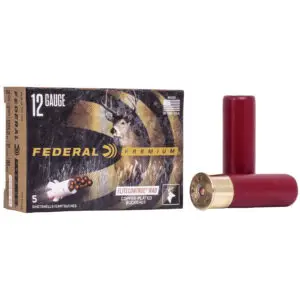
Choosing the right load also carries legal weight. In court, prosecutors and insurance companies will ask whether you selected ammunition appropriate for its intended purpose. Juries and adjusters understand that a homeowner who chose birdshot for “less lethality” may be viewed as having selected a round known to be inadequate for self-defense.
Defensive shotgun instructors from the U.S. Army Marksmanship Unit to private schools like Gunsite and Thunder Ranch universally recommend buckshot—usually 00 or low-recoil #4—for home defense precisely because it balances stopping power with manageable recoil and pattern control.
Ultimately, home defense is not about hunting or target shooting; it is about ending a lethal attack as quickly and decisively as possible while protecting innocent lives. Birdshot belongs in the dove field or the skeet range. The difference is measured in inches of penetration, foot-pounds of energy, and seconds that separate survival from tragedy.
Responsible gun owners owe it to their families to load the right ammunition, pattern their shotgun at realistic home-defense distances, and train until the choice becomes automatic. Your life and the lives of everyone under your roof may depend on it

